


How Fragrance Enhances Gudi Padwa Celebrations at Home
Gudi Padwa marks the beginning of the Marathi New Year and is one of the most important festivals celebrated in Maharashtra and across India. The festival symbolises new beginnings, prosperity and positivity. Families clean and decorate their homes, raise the traditional Gudi, prepare festive meals and perform Gudi Padwa pooja to welcome a prosperous year.
One element that quietly enhances the spiritual atmosphere of this festival is fragrance. The soothing aroma of agarbatti, dhoop and camphor plays an important role in creating a peaceful and divine environment during Gudi Padwa celebrations at home. Fragrance has always been connected with spirituality in Indian traditions, making it an essential part of festival pooja rituals.
In this blog, we explore how fragrance enhances Gudi Padwa celebrations and why it remains an important element in pooja rituals and home purification.
The Spiritual Significance of Fragrance in Gudi Padwa Pooja
In Indian culture, fragrance is believed to purify the surroundings and attract positive energy. During Gudi Padwa pooja, lighting agarbatti or dhoop is a common ritual performed in many households.
The pleasant aroma of incense creates a calm and sacred atmosphere that helps devotees focus during prayers and meditation. Many people believe fragrant smoke carries prayers and devotion towards the divine.
Traditional fragrances such as sandalwood, rose, jasmine and mogra are widely used during religious ceremonies. These natural aromas create a spiritual environment that enhances the experience of festival rituals and daily prayers.
At Laxmi Sugandhalaya, we provide traditional fragrance products like agarbatti, dhoop and camphor that enhance pooja rituals and festive celebrations.
Creating a Positive Atmosphere at Home
One of the main reasons people use agarbatti and dhoop during Gudi Padwa is to create a positive and welcoming environment at home.
Festivals are not only about rituals but also about bringing families together and filling the home with happiness. Lighting incense spreads a soothing fragrance throughout the house and makes the space feel fresh, peaceful and festive.
Many households begin their Gudi Padwa morning pooja by lighting camphor and incense sticks. This ritual helps cleanse the air and sets a positive tone for the entire day.
Fragrance and Home Purification
Another important benefit of using incense, dhoop and camphor during Gudi Padwa is home purification. According to traditional beliefs, fragrant smoke helps remove negative energy and purifies the surroundings.
In ancient Indian rituals, burning camphor during pooja is considered highly auspicious. Camphor produces a pure flame and leaves no residue, symbolising the removal of ego and negativity.
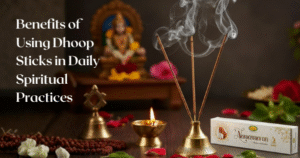
Similarly, dhoop sticks and cup dhoop release strong, long-lasting aromas that cleanse the atmosphere and create a sacred space for worship.
This is why fragrance products are considered essential Gudi Padwa pooja items in many homes.
Enhancing Festive Decorations with Fragrance
During Gudi Padwa, homes are beautifully decorated with rangoli, flowers, torans and the traditional Gudi placed outside the house or near the entrance. Adding fragrance to these decorations enhances the festive mood.
Lighting incense near the pooja area or entrance spreads aroma throughout the home and creates a warm, inviting environment for guests and family members.
When combined with festive decorations, fragrance creates a complete sensory experience that makes the celebration more memorable.
Popular Fragrances Used During Gudi Padwa
Certain fragrances are traditionally preferred during festival pooja rituals. Some commonly used fragrances include:
Sandalwood (Chandan)
Known for its calming and sacred aroma, sandalwood is widely used in temples and homes during religious ceremonies.
Rose
Rose fragrance symbolises love, purity and devotion. It creates a refreshing atmosphere during prayers.
Jasmine (Mogra)
Jasmine is one of the most popular floral fragrances used during festivals and pooja rituals.
Camphor
Camphor is considered highly auspicious and is commonly used during aarti and pooja rituals.
Using these fragrances during Gudi Padwa celebrations enhances the spiritual experience and fills the home with positivity.
Strengthening Family Traditions
Festivals like Gudi Padwa are deeply connected with family traditions and cultural practices. Lighting agarbatti, dhoop or camphor during prayers is a ritual followed for generations.
Children observe these practices and learn the importance of devotion, gratitude and cultural heritage. The fragrance associated with these rituals often becomes a nostalgic memory connected with festivals and family gatherings.
Over time, these simple traditions help strengthen cultural values and create meaningful celebrations.
Conclusion
Gudi Padwa is a festival that celebrates new beginnings, prosperity and positivity. While decorations, food and rituals are important parts of the celebration, fragrance plays a powerful role in enhancing the festive atmosphere.
The soothing aroma of agarbatti, dhoop and camphor purifies the surroundings, creates a spiritual ambience, and brings peace and devotion into the home. It transforms ordinary spaces into sacred environments where families gather to pray and celebrate the start of a new year.
As you prepare for Gudi Padwa celebrations at home, incorporating traditional fragrances into your rituals can help create a divine, peaceful and joyful atmosphere for your family.
Welcoming the new year with fragrance, positivity and devotion is a beautiful way to celebrate this auspicious festival.





Add comment