

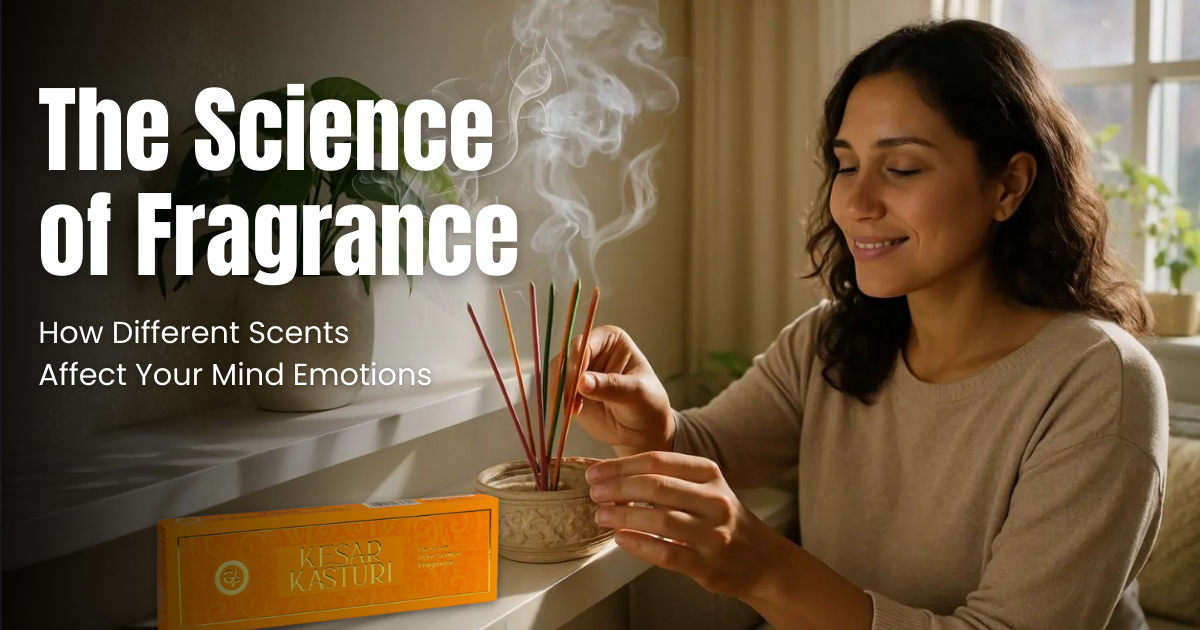
The Science of Fragrance: How Different Scents Affect Your Mind and Emotions
Fragrance has been an integral part of human culture for centuries, serving not only as a means to enhance personal appeal but also as a powerful tool to influence mood and emotions. From ancient rituals to modern-day aromatherapy, scents have played a pivotal role in our lives, transcending mere olfactory experiences to become an essential part of cultural and emotional expression. But how exactly do these fragrances affect our minds and emotions? In this article, we delve into the science behind fragrance and its profound impact on our psychological well-being, exploring the intricate ways in which scents can alter our perceptions and influence our emotional states.
The connection between fragrance and emotions is deeply rooted in our biology and evolutionary history. When we inhale a scent, it travels through the olfactory nerves directly to the brain’s limbic system, which is responsible for emotions and memory. This pathway is unique because the olfactory sense is the only one directly linked to the limbic system, bypassing the thalamus, which processes other sensory information. This direct connection explains why certain smells can instantly transport us back in time or evoke strong feelings, as the limbic system is intricately involved in emotional processing and memory recall.
The limbic system, often referred to as the emotional brain, includes structures like the amygdala and hippocampus, which play crucial roles in emotion regulation and memory formation. When a fragrance is detected, the limbic system processes this information and triggers an emotional response. This is why the smell of fresh-baked cookies might remind you of your grandmother’s kitchen, or a certain perfume may evoke memories of a past relationship. The amygdala, in particular, is vital for processing emotions such as fear and pleasure, while the hippocampus is key in forming and retrieving memories, illustrating how scents can create powerful emotional connections.
Fragrances have the power to enhance or alter our mood, providing a subtle yet effective way to influence our emotional state. Some scents are known for their calming effects, while others can energise and uplift us. For instance, lavender is widely recognised for its relaxing properties, making it a staple in stress-relief products. On the other hand, citrus scents like lemon and orange are known to boost energy and improve mood. The ability of scents to influence mood can be attributed to their effect on neurotransmitters and hormones, such as serotonin and cortisol, which play roles in mood regulation and stress response.
Aromatherapy is a holistic healing treatment that uses natural plant extracts, primarily essential oils, to promote health and well-being. It harnesses the power of fragrance to improve both physical and emotional health, offering a complementary approach to traditional medicine. Aromatherapy can be applied in various ways, including inhalation, topical application, and massage, each method providing different therapeutic benefits. The practice not only focuses on treating specific symptoms but also aims to enhance overall emotional and psychological well-being.
Essential oils play a crucial role in aromatherapy, as these concentrated plant extracts capture the essence of the plant’s fragrance and are used for their therapeutic properties. Each essential oil has unique effects, and when used correctly, they can address a variety of emotional and physical concerns. Essential oils are absorbed through the skin or inhaled, with their volatile compounds interacting with the body’s systems to promote healing. The diverse range of essential oils allows for tailored treatments, catering to individual needs and preferences.
Lavender essential oil is perhaps one of the most popular in aromatherapy, renowned for its calming and soothing effects. It can help reduce stress and anxiety, and promote better sleep, making it a versatile choice for those seeking emotional balance. Studies have shown that lavender oil can lower heart rate and blood pressure, contributing to its relaxing properties. Its gentle aroma and versatile nature make it a staple in various products, from bath oils to sleep aids, highlighting its enduring appeal in promoting tranquillity.
Peppermint oil is invigorating and refreshing, offering a natural way to boost energy and mental clarity. It can help improve concentration and reduce feelings of fatigue, making it a popular choice for enhancing cognitive performance. Peppermint oil’s cooling sensation and stimulating aroma can also alleviate headaches and tension, providing relief for those seeking a quick mental refresh. Its multifaceted benefits make it a valuable addition to any aromatherapy regimen, particularly for those needing a midday pick-me-up.
Eucalyptus oil is often used to relieve congestion and respiratory issues, thanks to its decongestant properties. Its fresh, minty scent can also have an uplifting effect on mood, providing a breath of fresh air in more ways than one. Eucalyptus oil’s antimicrobial properties make it effective in clearing sinus passages and soothing coughs, offering both physical and emotional relief. Its invigorating aroma can also enhance alertness and focus, making it a versatile tool in promoting overall well-being.
Perfume is more than just a beauty product; it’s a tool for self-expression and emotional influence. The psychology of perfume examines how different scents can affect our behaviour and interactions with others, serving as a silent yet potent communication tool. Perfumes can convey moods, enhance attractiveness, and even influence first impressions, showcasing the power of scent in shaping social dynamics. Understanding the psychological impact of perfume allows individuals to harness its potential, using fragrance as a means to enhance personal and professional interactions.
Wearing a favourite perfume can enhance self-confidence and alter self-perception, with the right scent making you feel more attractive, poised, and ready to take on the world. This phenomenon, often referred to as the “perfume effect,” highlights the role of scent in shaping identity and self-esteem. Perfume can act as an invisible accessory, complementing personal style and reinforcing self-image, allowing wearers to project their desired persona. The olfactory experience of wearing perfume can also create a sense of ritual and mindfulness, promoting self-awareness and emotional balance.
Scent plays a significant role in social interactions, influencing how we perceive and are perceived by others. Pleasant fragrances can make us more approachable and create positive impressions, while unpleasant odours can repel and create negative associations. This is why choosing the right fragrance for different occasions is important, as it can subtly influence social dynamics and enhance interpersonal connections. In professional settings, a well-chosen scent can convey professionalism and attention to detail, while in personal contexts, it can enhance intimacy and connection.
Businesses have long understood the power of fragrance in influencing consumer behaviour, employing scent marketing, also known as ambient scenting, as a strategy to enhance customer experience and drive sales. Fragrance can create a multisensory shopping experience, engaging customers on an emotional level and encouraging brand loyalty. By incorporating scent into the retail environment, businesses can differentiate themselves from competitors and create memorable brand experiences that resonate with consumers long after they leave the store.
Retailers use specific scents to create memorable shopping experiences, leveraging the emotional power of fragrance to influence consumer behaviour. For example, a bakery might use the scent of freshly baked bread to entice customers, while a spa may use calming lavender to promote relaxation. These carefully chosen scents can enhance the overall ambience of a space, creating an inviting atmosphere that encourages customers to linger and explore. The strategic use of scent can also reinforce brand identity, aligning olfactory cues with visual and auditory elements to create a cohesive sensory experience.
Consistent use of a signature scent can enhance brand recognition and foster customer loyalty, as consumers associate the pleasant scent with positive experiences and emotions. When customers associate a pleasant scent with a brand, they are more likely to return and recommend it to others, creating a powerful word-of-mouth marketing tool. Scent can also evoke nostalgia and emotional connections, strengthening the bond between brand and consumer. By investing in scent marketing, businesses can create lasting impressions that transcend traditional advertising methods, fostering deeper connections with their audience.
Laxmi Sugandhalay is a prominent name in the world of fragrance distribution, renowned for its commitment to quality and innovation. As a trusted sugandhi product distributor, they offer a wide range of products that cater to various emotional and therapeutic needs, ensuring that consumers have access to high-quality fragrances that enhance their well-being. Laxmi Sugandhalay’s dedication to excellence and customer satisfaction has established them as a leader in the industry, with a reputation for delivering products that combine traditional craftsmanship with modern innovation.
Laxmi Sugandhalay is committed to providing high-quality products that are both effective and safe, with a focus on using natural ingredients and sustainable practices. Their range of essential oils and perfumes are crafted with precision to ensure the best results, offering consumers a reliable source of therapeutic and aromatic solutions. Laxmi Sugandhalay’s dedication to quality extends beyond their products, as they strive to educate consumers about the benefits of fragrance and promote responsible use of aromatic products.
Combining traditional techniques with modern innovations, Laxmi Sugandhalay remains at the forefront of the fragrance industry, continually evolving to meet the changing needs of consumers. Their expertise in perfume psychology and aromatherapy effects makes them a valuable resource for consumers seeking emotional well-being through fragrance. By embracing both tradition and innovation, Laxmi Sugandhalay ensures that its products remain relevant and effective, providing consumers with the tools they need to enhance their lives through the power of scent.
Fragrance is a powerful tool that can significantly impact our emotions, mood, and behaviour, offering a versatile means of enhancing our quality of life. From the calming effects of lavender to the invigorating scent of peppermint, the right fragrance can provide emotional and psychological benefits, promoting a sense of well-being and personal empowerment. Whether through personal use or in a commercial setting, understanding the science of fragrance can help us harness its potential for positive change, enriching our sensory experiences and enhancing our emotional lives.
As we continue to explore the intricate relationship between fragrance and emotions, companies like Laxmi Sugandhalay play a vital role in providing access to high-quality products that enrich our sensory experiences. By embracing the art and science of fragrance, we can unlock a world of emotional well-being and personal empowerment, using scent as a tool to navigate the complexities of modern life with grace and confidence.






Add comment